OUR VISION IS

personal intelligence.

If you've read between the lines,
then by now you know that with Pickett,
we aspire to build a new kind of intelligence.

It's not attached to one interface, one industry or one product.

The real product is the Pickett brain — and its curious way
of learning and reasoning through the facts and choices in your life.

An intelligence that understands you, and the context of your life.

Because the world has enough intelligence

ABOUT PEOPLE.

We want to build intelligence

FOR A PERSON.

But why does the world need that?

Does knowing everything about you mean understanding you?

Everyone knows data is gold. So every new Silicon Valley company seems desperate to put a camera and microphone on you, gather more facts and gain more access to your life.

We wanted the same thing.

Until we ran an experiment.

01

THE INCOMPLETE PERSON

Maybe today's AI doesn't understand us because it simply doesn't know enough.

My co-founder and I spend a LOT of time talking to ChatGPT. Naturally, we became curious about how well it actually understood us as individuals.

So we tested it.

We asked questions about our lives, interests, obstacles, strengths, weaknesses and decisions.

And immediately found a problem.

ChatGPT only knew the version of us that had walked into the chat.

It knew what we'd chosen to discuss. Problems we'd needed help solving. Questions we'd happened to ask.

That creates a distorted picture.

Talk about work for six months and work becomes disproportionately important. Ask repeatedly about a problem and the problem starts looking like an interest.

Maybe the problem wasn't the intelligence.

Maybe it was incomplete data.


02

THE CONTEXT-RICH PERSON

Maybe the problem wasn't the intelligence. Maybe it was incomplete data.

So we removed that excuse.

We created a structured object of our lives.

Dreams Desires Milestones Memories Goals Relationships Places Accomplishments Failures + the why behind them

Then we gave it to Gemini.

The question was simple:

If an LLM has the facts of a human life, will it understand the human?

More data made the story richer.

It didn't necessarily make it true.

The model had more facts about our lives. More relationships between those facts. More reasons. More context.

And that gave it the ability to construct increasingly sophisticated explanations of who we were and why we behaved the way we did.

But a plausible explanation of a human being isn't necessarily an understanding of that human being.

We realised we'd been asking the wrong question.

The problem wasn't:

How do we acquire more facts about a person?

It was:

How does an intelligence learn what those facts mean?

Acquiring facts and understanding an individual are two very different problems.

MAKE THE HUMAN

THE MAIN CHARACTER AGAIN

OLD

For decades, personalisation
has started with the product.

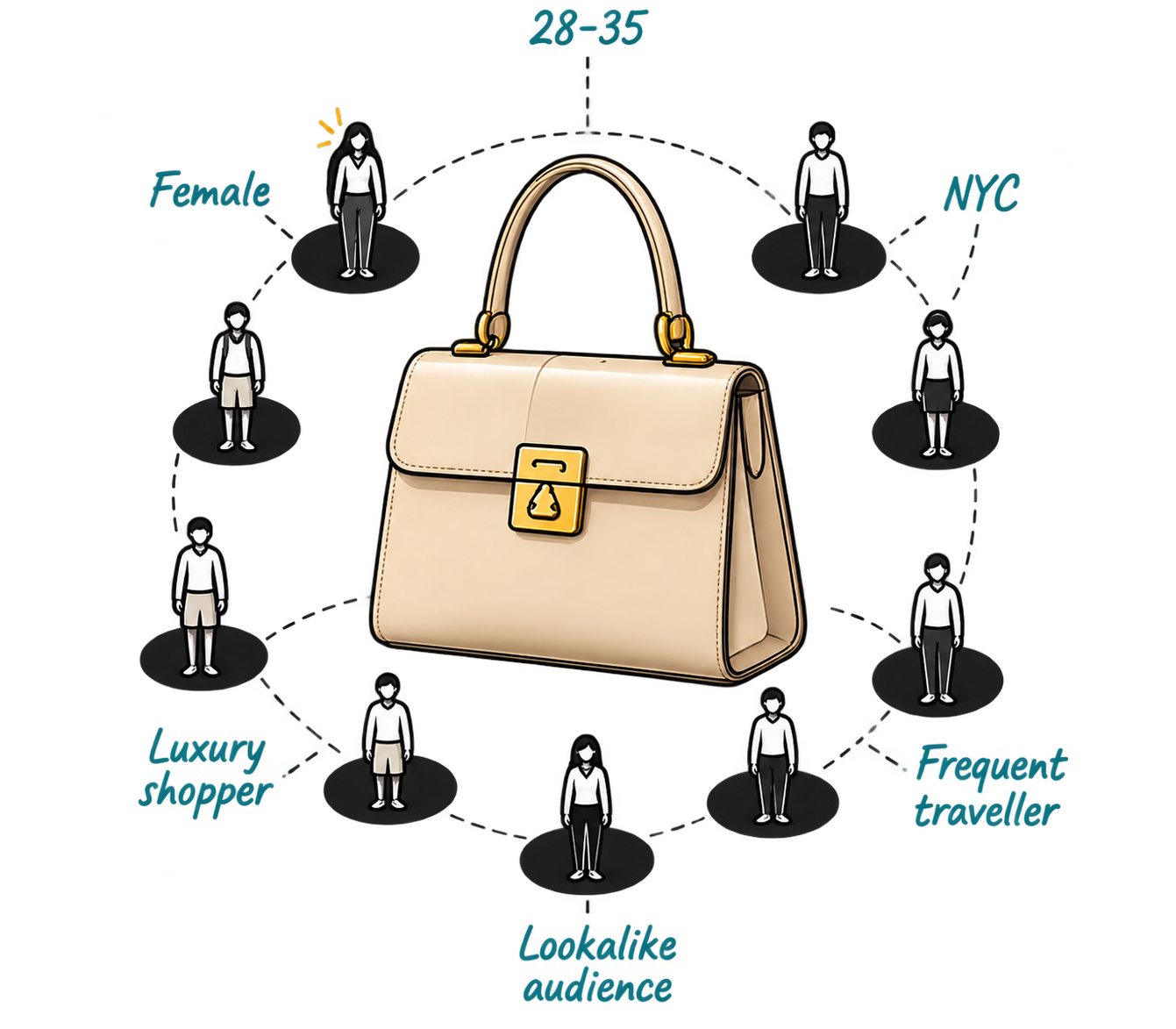
We made a bag.
Who should we sell it to?

We launched a holiday package.
Who should we show it to?

We published something.
Who is most likely to click?

A BAG

Product surrounded by demographic audience segments

We understood the product.
We understood the company selling it.

Then we built demographics, segments, audiences and lookalikes to find the human most likely to want it.

The human became the product.

OLD PRODUCT find me a human
PICKETT

Personal Intelligence
starts with the human.

a bag
a gift
a perfume
Person at the centre of Pickett's personal intelligence
a holiday
dinner
a restaurant

I need a bag.
Find the right one
for me.

I need a holiday.
Find somewhere
we'll love.

I need a gift for
my sister.
Find something
that's so her.

Businesses still participate. Brands still sell products.
Services still solve problems.

But Pickett works for the person.
PICKETT HUMAN find what is right for me.

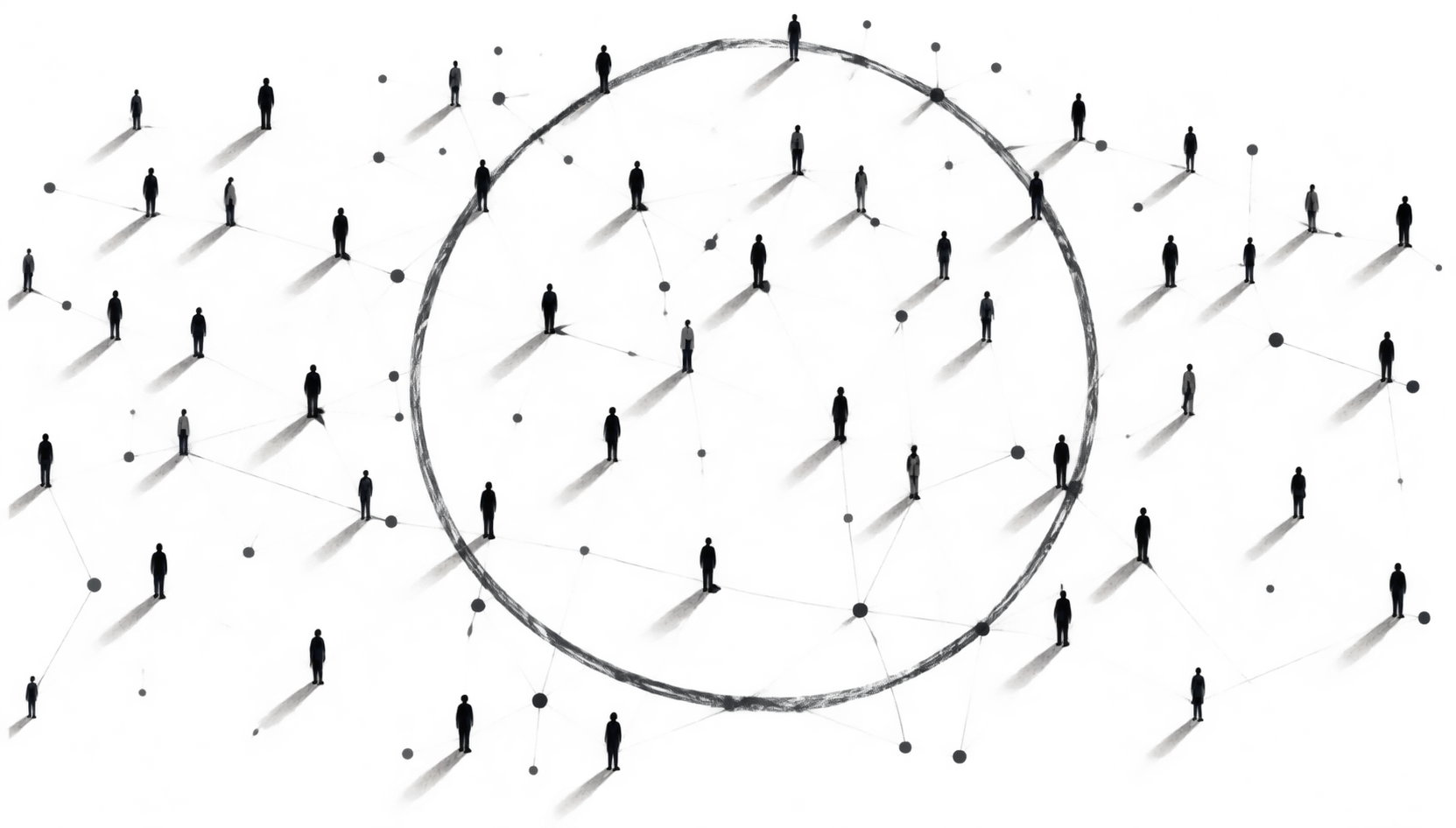
Eight billion people
shouldn’t need to share
one model of a
human being.

Personal Intelligence

starts with one person.

And spends a lifetime learning them.